

a Used Vehicle with Aftermarket Modifications?
Finding a used vehicle with aftermarket modifications can feel like discovering a hidden gem. These personalized touches, from performance upgrades to cosmetic enhancements, can make a car, truck, or SUV truly one-of-a-kind. However, buying a modified vehicle requires a different approach than purchasing a stock model. It is essential to understand what changes were made, who performed the work, and how those alterations might impact the vehicle's long-term reliability, safety, and value. While a lifted truck or a tuned sports sedan in our used inventory might catch your eye, a thorough evaluation is the key to ensuring your unique ride is also a dependable one. A smart buyer knows that the story behind the modifications is just as important as the vehicle itself, transforming a potential risk into a rewarding purchase decision.
Navigating the world of modified vehicles is about balancing excitement with diligence. The right upgrades, installed professionally, can enhance performance and aesthetics, offering incredible value. Our team is committed to transparency, providing as much information as possible about the history of every vehicle we sell. We encourage you to ask questions and even schedule a test drive to experience the vehicle firsthand. By understanding the details, you can confidently choose a modified vehicle that fits your lifestyle and budget.
A Deep Dive into Modified Used Vehicles
Aftermarket modifications cover a vast spectrum of changes made to a vehicle after it leaves the factory. For many enthusiasts, these upgrades are a way to personalize their ride, improve performance, or enhance its appearance. For a potential buyer, they introduce variables that require careful consideration. Before you decide to get pre-qualified for a vehicle that has been customized, it is crucial to understand the different types of modifications and their potential impact.
Categorizing Common Aftermarket Modifications
Modifications generally fall into three main categories, each with its own set of considerations for a prospective buyer. Knowing what to look for in each category can help you make an informed decision.
- Performance Modifications: These are aimed at increasing the vehicle's power, handling, or speed. Common examples include engine ECU tuning, upgraded exhaust systems, cold air intakes, turbochargers or superchargers, and suspension enhancements like coilovers or lowering springs. While these can make a vehicle more exciting to drive, they can also add stress to factory components if not installed and calibrated correctly. Poorly executed engine mods can lead to premature wear on the engine and transmission.
- Aesthetic Modifications: These changes are all about appearance. They can range from custom wheels and tires, body kits, and spoilers to vinyl wraps or unique paint jobs. Interior modifications like custom upholstery, steering wheels, and shift knobs also fall into this category. The primary concern here is the quality of the work. A poor paint job can peel, and improperly installed body kits can hide rust or accident damage.
- Functional and Electronic Modifications: This category includes upgrades like lift kits for trucks and SUVs, off-road bumpers and winches, upgraded lighting, and sophisticated audio or infotainment systems. For trucks, a lift kit can improve ground clearance but may affect handling and add strain to suspension components. With electronics, improper wiring is a major red flag, as it can lead to persistent electrical issues or even create a fire hazard.
The Critical Pre-Purchase Inspection Process
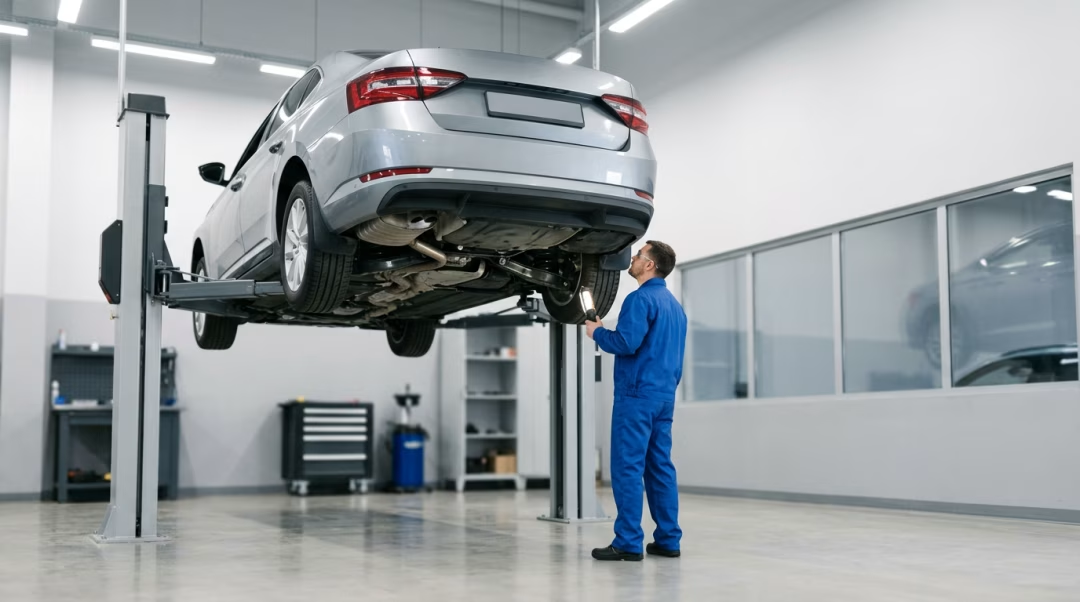
No matter how appealing a modified vehicle seems, a comprehensive inspection is non-negotiable. While we thoroughly inspect every vehicle, we also support buyers who wish to have an independent mechanic take a look. A mechanic experienced with modified vehicles can spot issues a standard inspection might miss. For more information on what to look for, you can review our guide on what to check under the hood.
During your own review and test drive, pay close attention to the quality of the installation. Do the welds on the exhaust look clean and professional? Is the wiring for the aftermarket stereo tidy and secured, or is it a "rat's nest" of tangled wires? Ask for any available receipts or documentation for the parts and labor. This can provide insight into the quality of the components used and whether they were installed by a reputable shop. A detailed vehicle history report is also vital to ensure modifications are not being used to conceal a past accident or a salvage title.
Understanding the Impact on Value, Financing, and Insurance
One of the most common misconceptions is that modifications always add value to a vehicle. In reality, the opposite is often true. The market for a heavily modified car is much smaller, and what one person considers a tasteful upgrade, another may see as a reason to walk away. This can significantly affect the vehicle's resale and trade-in value. If you are curious about a car's worth, our value my trade tool can provide a baseline estimate, but modified vehicles often require a manual appraisal.
Financing can also present a hurdle. Lenders base loan values on standard book values from sources like Kelley Blue Book or NADA. These guides do not account for aftermarket parts, and a lender may be unwilling to finance a vehicle for an amount significantly higher than its stock value. Similarly, insurance companies may require special, more expensive policies to cover modified vehicles. It is always wise to get an insurance quote before you finalize the purchase to avoid any unpleasant surprises in your budget. If you have questions about financing, our team in our financing area can help you understand your options.
Long-Term Ownership: What to Expect
Owning a modified vehicle can be a uniquely rewarding experience, but it comes with its own set of responsibilities. Maintenance can be more complex. A vehicle with a tuned engine may require more frequent oil changes or specific fluid types. If a custom part breaks, finding a replacement may not be as simple as ordering a factory component. It is also important to find a mechanic you trust who is comfortable working on your specific modifications.
Ultimately, a used vehicle with aftermarket modifications can be a fantastic purchase. It offers a chance to own something distinctive that already has the personal touches you might have wanted to add yourself. The key is to approach the purchase with a clear understanding of the risks and rewards. By conducting thorough research, insisting on a professional inspection, and asking the right questions, you can drive away in a modified vehicle with confidence and peace of mind. For more information about our dealership and our commitment to quality, please visit our about us page.
Do aftermarket parts void a vehicle's original manufacturer warranty?
This is a common concern. According to the Magnuson-Moss Warranty Act, a dealer must prove that an aftermarket part caused the failure of a warranted component to deny coverage. However, performance modifications that alter engine or drivetrain parameters, like an ECU tune, can give a manufacturer grounds to void the warranty on those specific systems. It is best to assume that any remaining factory powertrain warranty may be compromised by significant performance upgrades.
How do modifications affect a car's trade-in value?
Modifications typically lower a vehicle's trade-in value. While some high-quality, functional upgrades like a professional lift kit on a truck may hold some value, most personalized cosmetic or extreme performance mods narrow the pool of potential buyers. Dealerships often value vehicles based on their stock condition, as it is easier to sell a standard model. Learn more about how we determine values with our online tool when you value your trade-in.
Are modified cars always more expensive to insure?
Often, yes. Insurance companies calculate risk based on statistics, and modified vehicles can be statistically more likely to be in an accident or be stolen. Performance upgrades can significantly increase premiums. It is crucial to be transparent with your insurance provider about all modifications; failure to do so could result in a denied claim. We recommend reading our page on required insurance coverage.
Can I get financing for a vehicle with significant aftermarket modifications?
Yes, but it can be more challenging. Lenders use standard valuation guides that do not account for the cost of aftermarket parts. This means the loan-to-value (LTV) ratio might be unfavorable. At our dealership, we have experience with unique vehicles and can help you explore all available options. We recommend you start an application to see what may be possible for your situation.
What is the biggest red flag to watch for when looking at a modified used car?
The single biggest red flag is poor quality workmanship. Look for signs of a rushed or amateur installation, such as messy wiring, uneven gaps in body panels, poorly applied paint or wraps, or unusual noises during the test drive. High-quality parts installed poorly can cause more problems than cheap parts installed by a professional. If the work looks sloppy, it is best to walk away, no matter how good the vehicle looks from a distance.
