

Used Vehicle May Have Hidden Problems?
Purchasing a pre-owned vehicle is a smart way to get the transportation you need at a great value. However, the key to a successful purchase is knowing how to spot potential trouble before you sign on the dotted line. While many used cars offer years of reliable service, some may conceal underlying issues that could lead to expensive repairs down the road. Understanding the subtle warning signs that suggest hidden problems is your best defense against making a poor investment. This guide is designed to empower you with the knowledge to look beyond a shiny exterior and identify the critical red flags. By learning what to look for, listen for, and ask about, you can approach our used inventory with confidence, knowing you are equipped to choose a vehicle that is both dependable and a perfect fit for your lifestyle and budget. Our team is always here to provide transparency and answer your questions.
Our commitment is to provide our community with quality, reliable vehicles. We believe an informed customer is a happy customer, which is why we encourage you to use this knowledge when you browse our selection. Each vehicle on our lot undergoes a thorough inspection because we stand behind what we sell. Feel confident knowing that we have already done the heavy lifting for you, ensuring that the cars we offer meet our high standards. Learn more about our process by visiting our about us page or contact us directly with any questions.
A Comprehensive Guide to Inspecting a Pre-Owned Vehicle
Beyond the make, model, and mileage, the true condition of a used vehicle is revealed through careful inspection. A car can look perfect on the surface but hide a history of neglect, accidents, or mechanical failure. This guide breaks down the inspection process into manageable steps, helping you become a more discerning buyer. Remember, taking your time now can save you significant money and frustration later.
The Exterior Walk-Around: First Impressions Matter
Your inspection begins the moment you see the car. Walk around it slowly and look at it from different angles and distances. This helps you spot issues with the body and paint that might not be obvious up close. Pay attention during a bright, clear day, as artificial lighting or rain can easily hide imperfections.
- Inconsistent Paint and Panel Gaps: Look for panels that do not line up correctly or have uneven gaps between them. This is often a sign of a past accident and improper repair. Check the paint for mismatched colors or textures between panels. A magnet can help detect body filler (Bondo), as it will not stick to areas where thick filler has been used to cover damage.
- Signs of Rust: Check common rust spots thoroughly. These include the wheel wells, rocker panels (below the doors), and the frame underneath the vehicle. Surface rust can be a minor issue, but bubbling paint or holes indicate significant corrosion that can compromise the vehicle's structural integrity.
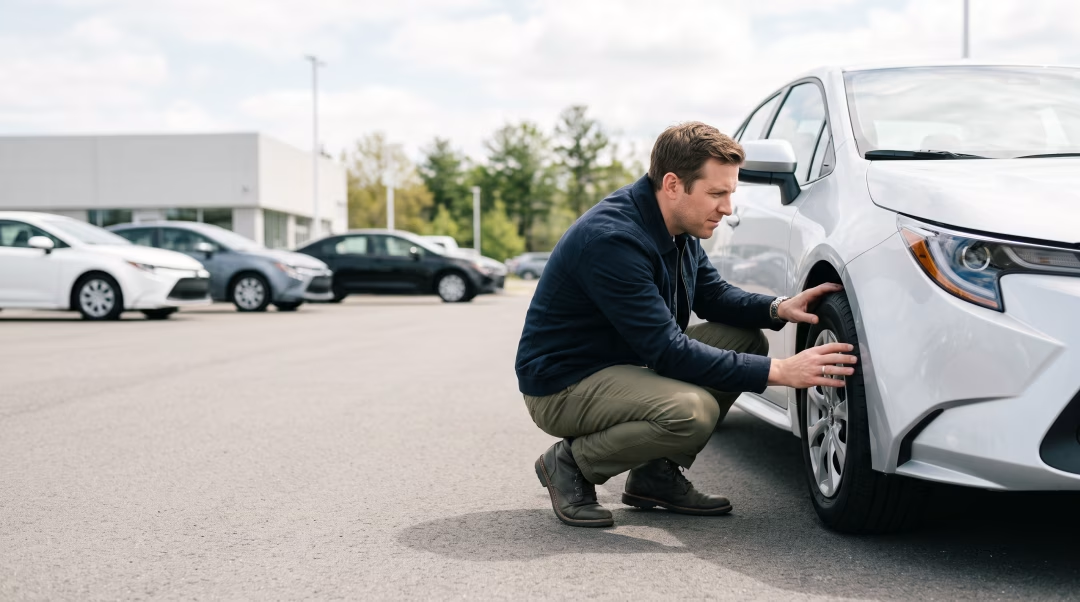
- Tire Condition: The tires can tell a story. Uneven wear—such as wear on only the inside or outside edges—points to alignment or suspension problems. Check the tread depth and look for any cracks or bulges in the sidewalls. Ensure all four tires are the same brand and model, as mismatched tires can affect handling.
- Glass and Lights: Inspect all glass for cracks or large chips. A small chip in the windshield can quickly spread. Turn on all exterior lights, including headlights (high and low beams), tail lights, brake lights, and turn signals, to ensure they are all functioning correctly.
Under the Hood: A Look at the Heart of the Vehicle
You do not have to be a certified mechanic to spot potential problems in the engine bay. A clean engine can be a good sign, but an engine that has been recently detailed might be an attempt to hide leaks. For more details, explore our guide on what to check under the hood before making a decision.
- Fluid Checks: Pull the oil dipstick. The oil should be a light brown color. If it is black, milky, or has metallic particles, it signals serious engine problems. Check the transmission fluid (on applicable models); it should be reddish and not smell burnt. Coolant in the reservoir should be green, orange, or pink, not rusty or oily.
- Belts and Hoses: Visually inspect all visible belts for cracks, fraying, or glazing. Squeeze the major radiator hoses (when the engine is cool); they should be firm, not rock-hard or mushy.
- Look for Leaks: Scan the engine bay for signs of active or past leaks. Look for dark, wet spots or grime buildup on the engine block, hoses, or on the ground beneath the car.
- Battery Condition: Check the battery terminals for corrosion, which looks like a white or blueish powdery substance. This can indicate a poor connection or an aging battery.
The Interior Inspection: Comfort and Functionality
The inside of the car is where you will spend your time, so it is important to ensure everything is in working order and the level of wear matches the mileage on the odometer.
- Unpleasant Odors: A persistent musty or mildew smell could be a sign of water leaks or flood damage. A heavy scent of air freshener may be used to mask these odors or cigarette smoke. You can learn more about how to spot a flood-damaged vehicle on our blog.
- Wear and Tear: Check the condition of the steering wheel, pedals, and driver's seat. Excessive wear that seems inconsistent with the vehicle's mileage could be a red flag for odometer rollback fraud.
- Electronics and Features: Test everything. Turn on the radio, test the climate control (both heat and A/C), operate the power windows and locks, and check the functionality of any infotainment screens.
The Test Drive: How the Vehicle Performs on the Road
This is arguably the most critical part of the evaluation. How a car feels and sounds on the road reveals problems that a visual inspection cannot. Plan to schedule a test drive on a route that includes a mix of city streets, hills, and highway speeds to get a complete picture of its performance.
- Engine and Transmission: Does the engine start easily and idle smoothly? Listen for any knocking, ticking, or whining sounds. As you accelerate, the transmission should shift smoothly without any hesitation, jerking, or slipping.
- Brakes and Steering: The brake pedal should feel firm. If it feels spongy or goes to the floor, there is a problem with the brake system. When braking, the car should not pull to one side, and you should not hear any grinding or squealing. The steering should feel responsive and the vehicle should not drift or pull to one side on a straight, level road.
- Suspension: Drive over a few bumps or rough patches of road. Listen for any clunking or rattling noises, which can indicate worn suspension components like shocks, struts, or bushings.
- Exhaust Smoke: Pay attention to the exhaust when you first start the car and during the drive. Blue smoke indicates burning oil, white smoke can mean a coolant leak into the engine (a serious problem), and black smoke suggests the engine is burning too much fuel.
Documentation and History
The vehicle's paperwork is just as important as its physical condition. Always ask for a vehicle history report from a reputable source like CarFax or AutoCheck. This report details past accidents, title issues (like salvage or flood branding), and service history. While it might not catch everything, it is an invaluable tool for flagging major issues. You can learn more about checking vehicle history here. Also, ask for any available maintenance records, as a car with a documented history of regular oil changes and service is a much safer bet. If you are ready to move forward, you can get pre-qualified online to streamline the process.
Frequently Asked Questions
What is the most important warning sign to look for on a used car?
While many signs are critical, evidence of a major accident or a branded title (like salvage or flood) is arguably the most important red flag. Structural damage can compromise safety and lead to a cascade of mechanical and alignment issues that are nearly impossible to fully resolve. Always prioritize a clean title and a straight frame.
How can I tell if a used car has been in a flood?
Look for a musty, mildew smell inside the cabin that cannot be explained. Check for silt, sand, or rust in unusual places, such as under the carpets, in the glove box, or around seat mounting bolts. Water lines or discoloration on the upholstery or door panels are also significant warning signs.
Is high mileage on a used car always a bad thing?
Not necessarily. A well-maintained vehicle with 150,000 highway miles can be in much better mechanical condition than a neglected vehicle with 75,000 city miles. The key is maintenance history. A car with high mileage but a complete record of regular service can be a reliable and excellent value.
Should I have a mechanic inspect the car before I buy it?
Yes, it is always a wise investment. A pre-purchase inspection (PPI) by a trusted, independent mechanic can uncover hidden problems you might miss. For a relatively small fee, they can put the car on a lift to check the undercarriage and use diagnostic tools to check for error codes, providing you with ultimate peace of mind.
Can I trust a vehicle history report completely?
A vehicle history report is an essential tool, but it is not foolproof. It only contains information that has been reported. An accident that was never reported to an insurance company or police, or maintenance done at an independent shop that does not report data, will not appear. Use it as a guide, but not as a substitute for a thorough physical inspection and test drive.
