

Vehicle Before a Long Summer Road Trip
The great American summer road trip is a timeless tradition, a chance to explore new horizons and create lasting memories. Before you load up the snacks and finalize your playlist, ensuring your used vehicle is ready for the journey is the most critical step. A thorough pre-trip inspection can be the difference between a relaxing adventure and a stressful breakdown on a hot highway far from home. Taking the time to check essential components gives you peace of mind, knowing your car is prepared for the demands of long-distance driving, from mountain passes to sun-baked interstates. A reliable vehicle is your ticket to a worry-free vacation. At our dealership, we believe that preparation is key, which is why we have put together this guide to help you get your car ready. If you are looking for a more road-trip-ready option, explore our used inventory today.
This detailed guide will walk you through everything you need to inspect. From the fluids and belts under the hood to the condition of your tires and the performance of your air conditioning, we will cover all the bases. Following this checklist will help you identify potential issues before they become major problems, ensuring your focus remains on the road ahead and the fun to be had. For more helpful articles and tips, be sure to visit our blog for the latest updates.
Your Comprehensive Pre-Road Trip Vehicle Checklist
A long summer road trip puts significant stress on a vehicle. Higher temperatures, extended running times, and heavy loads can expose weak points in a car's mechanical and electrical systems. For a used vehicle, this inspection is even more crucial. While you may be familiar with your car's daily driving behavior, a multi-hour trip is a different kind of test. This checklist is designed to be comprehensive yet straightforward, empowering you to assess your vehicle's condition with confidence. If you discover an issue that requires professional attention or decide it is time to upgrade, our team is always here to help. You can learn more about us and our commitment to quality and customer satisfaction.
Under the Hood: The Heart of Your Vehicle
The engine bay is the best place to start your inspection. These components work the hardest during a long drive, and ensuring they are in top shape is paramount. Always perform these checks when the engine is cool and the vehicle is on a level surface.
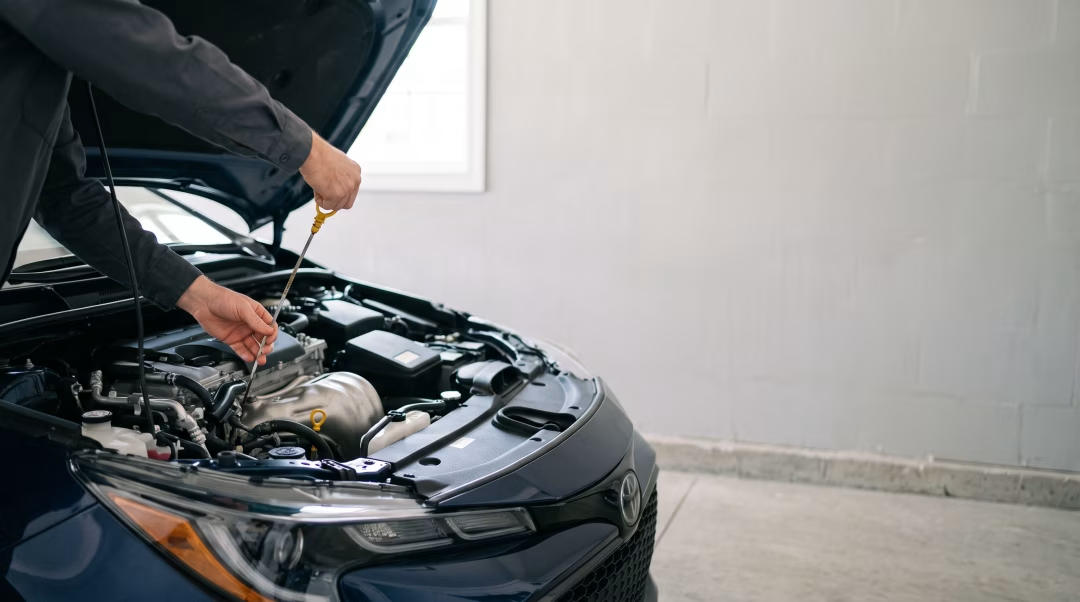
- Check Engine Oil: Pull the dipstick, wipe it clean, reinsert it fully, and pull it out again. The oil level should be between the 'Full' and 'Add' marks. The oil should be amber or light brown; if it is dark black, gritty, or milky, it is time for an oil change. Low oil is a major risk on a long trip.
- Inspect Coolant/Antifreeze: The coolant reservoir should have fluid between the minimum and maximum lines. The coolant prevents your engine from overheating, which is especially important in summer traffic. Ensure the color is vibrant (usually green, orange, or pink) and not rusty or murky.
- Examine Belts and Hoses: Look for cracks, fraying, or glazing on the serpentine belt and other drive belts. Squeeze the radiator and heater hoses; they should be firm, not brittle or spongy. A broken belt or burst hose can bring your trip to an immediate halt.
- Check Other Fluids: Top off your windshield washer fluid. Check the power steering and brake fluid reservoirs to ensure they are at the proper levels. While these are sealed systems, a low level could indicate a leak that needs attention.
- Battery Inspection: Check the battery terminals for corrosion (a white or greenish powder). If present, clean it off with a wire brush. Ensure the connections are tight. Most modern batteries are maintenance-free, but if you have an older style, check the water level. Summer heat is the number one cause of battery failure.
If you are unsure about any of these steps, reviewing our guide on what to check under the hood can provide even more detail.
Tires and Brakes: Your Connection to the Road
Your tires and brakes are your most important safety systems. Do not overlook them. A failure in either of these areas can have serious consequences, especially at highway speeds.
- Tire Pressure: Use a quality gauge to check the pressure in all four tires, plus the spare. The correct pressure is listed on a sticker inside the driver's doorjamb, not on the tire sidewall. Check them when they are cold for an accurate reading. Properly inflated tires improve fuel economy and handling.
- Tread Depth: Use the "penny test." Insert a penny into the tread with Lincoln's head upside down. If you can see the top of his head, your tires are worn and likely need replacement. Insufficient tread is dangerous in summer thunderstorms.
- Tire Condition: Look for any cracks, bulges, or cuts in the sidewalls. Remove any stones or nails embedded in the tread. Uneven wear can indicate an alignment problem that should be addressed before your trip.
- Brake Check: Listen for any squealing, grinding, or clicking sounds when you apply the brakes. Does the vehicle pull to one side? Does the brake pedal feel spongy or too hard? If possible, visually inspect the brake pads through the wheel spokes. If they look very thin, have them checked by a professional.
Finding the right vehicle with good tires and brakes is essential. When you are ready to look at options, you can schedule a test drive to experience the performance firsthand.
Lights, Wipers, and Climate Control
Visibility and comfort are key to a safe and enjoyable road trip. A quick check of your electrical systems will ensure you can see, be seen, and stay comfortable no matter the weather or time of day.
- All Exterior Lights: Have a friend help you check your headlights (low and high beams), taillights, brake lights, and turn signals. Do not forget the reverse lights and hazard lights. A burnt-out bulb is a simple fix that can prevent a ticket.
- Wiper Blades and Washer Fluid: Summer storms can appear suddenly. Check your wiper blades for cracks or stiffness. If they leave streaks on the windshield, replace them. As mentioned before, ensure your washer fluid reservoir is full.
- Air Conditioning: This is a must for a summer trip. Turn the A/C on full blast. Does it blow cold air within a minute or two? If it blows cool but not cold, or if you hear strange noises, the system may need to be recharged or serviced.
Safety and Emergency Preparedness
Even with the best preparation, unexpected issues can arise. Being prepared for a roadside emergency is the final piece of the puzzle. It is always better to have it and not need it than to need it and not have it. Before setting off, ensure you have all the necessary items for a safe journey. If you need assistance with financing a vehicle that gives you more peace of mind, you can always learn about our financing area and get pre-qualified.
- Emergency Kit: Pack a kit that includes jumper cables, a flashlight with extra batteries, a first-aid kit, basic tools (screwdrivers, pliers, adjustable wrench), road flares or reflective triangles, and gloves.
- Car Jack and Lug Wrench: Make sure you know where these are located and how to use them. Confirm that your spare tire is properly inflated and in good condition.
- Important Documents: Double-check that your license, registration, and proof of insurance are current and easily accessible in the vehicle.
Frequently Asked Questions
How often should I check my oil on a long road trip?
It is a good practice to check your oil level every time you stop for fuel. A long, hot drive can sometimes cause a vehicle to consume more oil than usual. A quick check takes less than a minute and can prevent severe engine damage if a leak or consumption issue develops.
What is the most important thing to check before a summer trip?
While everything on this list is important, your tires are arguably the most critical safety component. They are your only connection to the road. Ensure they have adequate tread and are inflated to the correct pressure. A tire failure at highway speeds is extremely dangerous.
Can I perform these checks myself if I am not a mechanic?
Absolutely. This checklist is designed for the average car owner. Checking fluids, tires, lights, and wipers requires no special skills or tools beyond a tire pressure gauge. For more complex issues, like strange brake noises or A/C problems, it is best to consult a professional mechanic.
What should I pack in a roadside emergency kit?
A good kit should include jumper cables, a portable tire inflator, a first-aid kit, a flashlight, reflective triangles or flares, basic hand tools, duct tape, work gloves, and a poncho. Consider adding non-perishable snacks, water, and a portable phone charger for added security.
Should I get a professional inspection before my trip?
If you are not confident in performing these checks yourself, or if your used vehicle is older or has high mileage, a professional multi-point inspection is an excellent investment for peace of mind. A mechanic can spot underlying issues you might miss, ensuring your vehicle is truly ready for the road.
