

a Vehicle for Hurricane Season
As hurricane season approaches, Fayetteville residents know that preparation is more than a suggestion—it is an absolute necessity. While we focus on our homes and families, it is crucial not to overlook one of our most important assets for safety and evacuation: our vehicle. A reliable car can be the difference between a safe evacuation and being stranded in a dangerous situation. Taking proactive steps now to ensure your vehicle is storm-ready provides invaluable peace of mind when the forecast takes a turn. This guide offers a comprehensive checklist for Fayetteville drivers, covering everything from essential mechanical checks to assembling a roadside emergency kit. Properly preparing your vehicle ensures it will be a dependable partner, ready to navigate challenging conditions and transport your loved ones to safety if the need arises. A little effort today can prevent significant trouble tomorrow when every moment counts.
Beyond the essential mechanical checks, true hurricane readiness involves thoughtful planning and documentation. Knowing your evacuation route, having physical copies of important papers, and understanding how to protect your vehicle if you must shelter in place are all critical components of a comprehensive safety strategy. Our team is dedicated to the Fayetteville community, and our goal is to help you stay safe on the road, no matter the weather. Explore our detailed guide below to ensure you have covered every base for the upcoming season.
Your Complete Vehicle Hurricane Preparedness Guide
In Fayetteville and throughout Cumberland County, hurricane season brings a unique set of challenges. High winds, torrential rain, and the risk of flooding demand a level of preparedness that extends to every aspect of our lives, including our transportation. Your car is your lifeline in an emergency, serving as your means of evacuation or your only way to get supplies once a storm has passed. Ensuring it is in peak condition is not just about automotive maintenance; it is about family safety. This guide will walk you through the critical steps to prepare your vehicle long before a storm watch is issued.
The Pre-Storm Mechanical Checklist: Under the Hood and Around the Car
A storm is not the time to discover an underlying mechanical issue. Performing a thorough inspection a few weeks before the peak of the season gives you ample time to address any problems. If you are unsure about performing these checks yourself, it is wise to schedule a service appointment. If you are considering upgrading to a more reliable vehicle before the season starts, browse our used inventory to find a car, truck, or SUV that fits your needs.
- Fuel and Fluids: This is the most critical step. Always keep your gas tank at least half-full during hurricane season, and fill it completely when a storm is forecast. Gas stations can lose power or run out of fuel quickly during an emergency. Additionally, check your essential fluids, including engine oil, coolant, brake fluid, and windshield washer fluid. Top off any that are low.
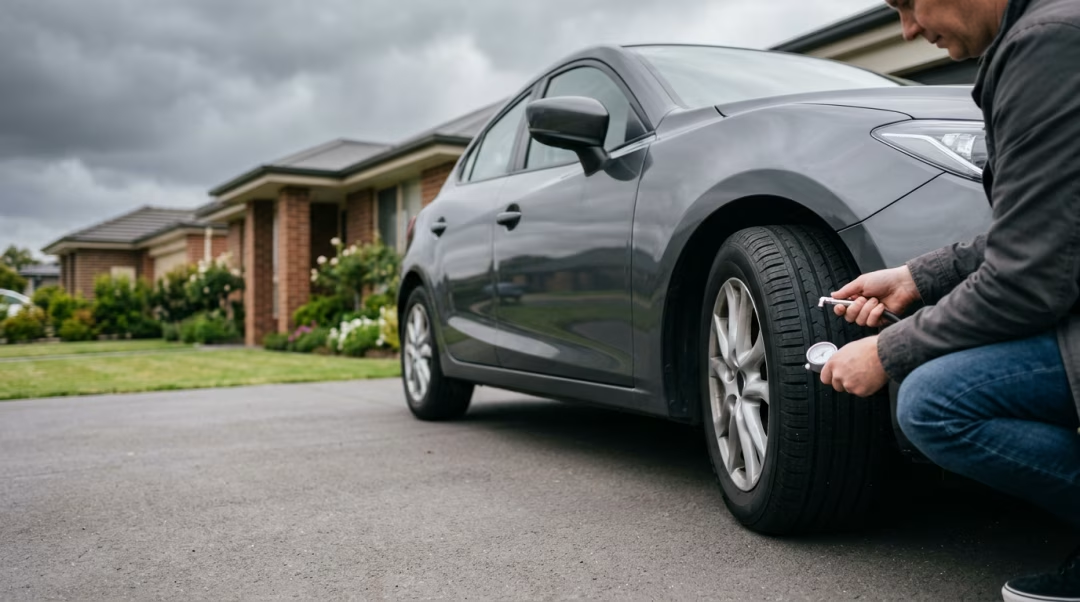
- Tires and Brakes: Your tires are your only connection to the road. Ensure they have adequate tread depth and are inflated to the manufacturer's recommended pressure. Roads will be slick, and good tires are essential for maintaining traction. Check your spare tire as well. Test your brakes to ensure they are responsive and not making any unusual noises.
- Battery Health: A dead battery can leave you stranded at the worst possible time. Most auto parts stores can test your battery's health for free. If it is more than three years old or showing signs of weakness, consider replacing it proactively. Clean any corrosion from the terminals to ensure a solid connection.
- Wipers and Lights: Visibility is severely reduced during a hurricane. Replace worn or streaking windshield wiper blades. Make sure your headlights, taillights, and turn signals are all functioning correctly so other drivers can see you through the downpour.
Assembling Your Vehicle's Emergency Kit
If you need to evacuate or are stuck in heavy traffic, a well-stocked emergency kit is invaluable. Keep these items in a waterproof container in your trunk or cargo area.
- A complete first-aid kit.
- Bottled water and non-perishable food for each passenger.
- Jumper cables and basic automotive tools.
- A portable phone charger or power bank.
- A flashlight with extra batteries.
- A paper map of the area, as GPS may be unreliable.
- Waterproof matches or a lighter.
Documentation and Evacuation Planning
In the chaos of an evacuation, you do not want to be searching for important documents. Keep copies in a waterproof bag in your glove compartment. Understanding how financing works, especially in an emergency, is also important. For more details, read about what is Buy Here Pay Here financing to understand all your options. Your document kit should include:
- Driver's license or state ID.
- Vehicle registration and proof of insurance.
- Vehicle title or a copy of your financing agreement.
- Emergency contact information.
Before a storm warning is even issued, map out several evacuation routes. Primary roads may become congested or flooded, so having alternate routes through areas like Hope Mills or Sanford is essential. You can learn more about how we serve surrounding communities like Hope Mills residents commuting into Fayetteville on our website. Share your plan with family members so everyone knows where to go.
Protecting Your Vehicle if You Shelter in Place
If evacuation is not required or possible, you still need to protect your vehicle. Damage from falling trees, debris, and flooding can be catastrophic. If possible, park your car in a garage or covered carport. If you must park outside, choose a spot on high ground, away from trees and power lines that could fall. Avoid parking under large branches or near anything that could become a projectile in high winds. Once the storm passes, if you discover significant damage, you might consider your options. Getting an estimate of your car's current worth can help you make a decision; you can value my trade online to see what your vehicle might be worth.
After the Storm: Safe Driving and Damage Assessment
The danger is not over once the storm subsides. Roads may be covered in debris, power lines could be down, and standing water can hide deep potholes or other hazards. Never drive through standing water, as it can be much deeper than it appears and can cause severe, often irreparable, damage to your vehicle's engine and electrical systems. If your car was exposed to floodwaters, do not attempt to start it. It is best to have it towed and inspected by a professional. If you suspect flood damage, it is crucial to know how to spot a flood-damaged vehicle, whether it is your own or one you are considering purchasing.
Frequently Asked Questions About Vehicle Hurricane Safety
Should I fill my car's gas tank even if I am not planning to evacuate?
Yes, absolutely. Power outages can affect gas stations for days or even weeks after a major storm. Having a full tank of gas ensures you can run your car to charge devices or travel for essential supplies once it is safe to do so without worrying about the availability of fuel.
What is the single most important maintenance check before a hurricane?
While all checks are important, ensuring your tires are in excellent condition is paramount. This includes proper inflation, sufficient tread depth, and no visible damage. Heavy rain makes roads incredibly slick, and good tires are your first line of defense against hydroplaning and losing control of your vehicle.
How can I protect my vehicle from flood damage if I do not have a garage?
The best strategy is to move your vehicle to the highest ground you can safely access. Look for elevated parking garages, hills, or the highest part of your neighborhood. Avoid parking near drainage ditches, culverts, or any low-lying areas that are prone to collecting water during heavy rainfall.
Is it ever safe to drive through standing water?
No, it is never recommended. It is impossible to know the depth of the water or what hazards may be hidden beneath the surface, such as washed-out sections of road or debris. As little as six inches of water can cause you to lose control, and twelve inches can float many vehicles. Always turn around and find an alternate route.
What documents should I make sure to have in my car?
Keep a waterproof bag in your glove compartment with copies of your driver's license, vehicle registration, and proof of insurance. It is also wise to have your vehicle's title or financing agreement and a list of emergency contacts. Having physical copies is crucial in case you lose power and cannot access digital files.
