

to Financing a Reliable Used One
Choosing between a new and a used vehicle is a major decision, and the financing process for each path is distinctly different. While the allure of a brand-new car is undeniable, understanding the financial implications can reveal why a reliable used vehicle is often the smarter long-term investment. New car financing is built around a rapidly depreciating asset, meaning you could owe more than the car is worth for years. In contrast, financing a quality pre-owned car means you are paying for an asset that has already undergone its most significant drop in value. This fundamental difference affects everything from your monthly payment and insurance rates to the total amount of interest you will pay over the life of the loan. Making an informed choice starts with comparing these financial realities side-by-side to see which option truly aligns with your budget and goals.
Ultimately, the goal is to secure reliable transportation without overextending your finances. By exploring the benefits of financing a used vehicle, you gain access to a wider selection of cars within your budget and avoid the steep financial cliff of new car depreciation. At our dealership, we specialize in making this process straightforward. We believe in transparency and helping you understand every aspect of your auto loan. Continue reading to explore a detailed breakdown of how these financing options stack up on key factors like cost, value, and accessibility.
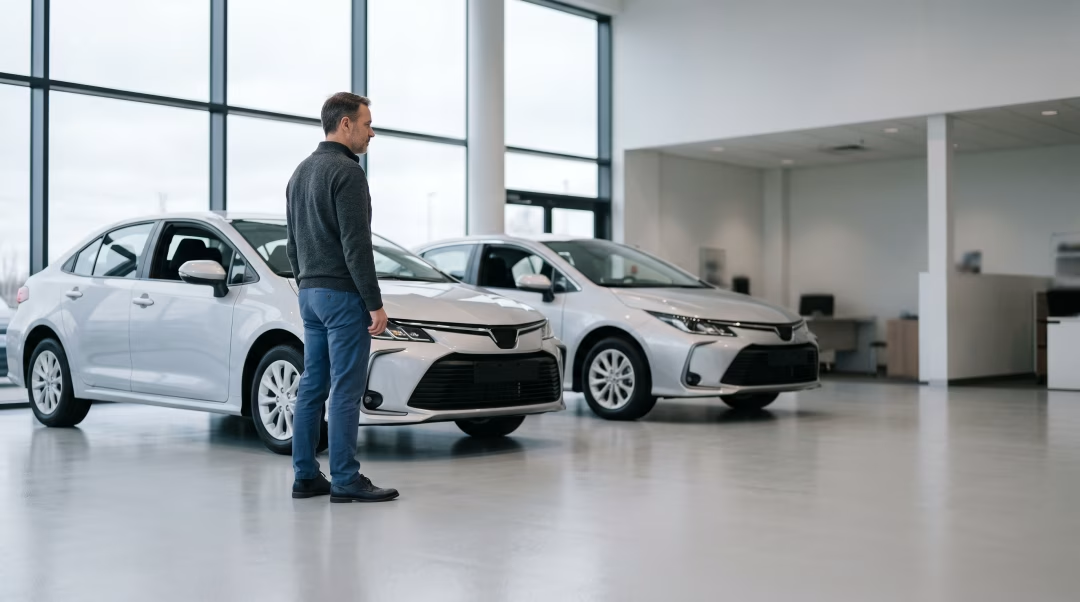
A Deep Dive into New vs. Used Vehicle Financing
When you decide it is time for a different vehicle, the first question that often comes to mind is "new or used?" While this seems like a question about the car itself, it is fundamentally a question about financing. The loan structure, total cost, and long-term value proposition are vastly different for a vehicle fresh from the factory versus one that has a few years of experience on the road. Understanding these differences is crucial for making a decision that benefits your financial health today and for years to come. For many buyers, especially those navigating complex credit situations, the path to a reliable used car offers a more practical and sustainable solution. Let us break down the key areas where these two financing journeys diverge.
The Unseen Cost: Depreciation's Impact on Your Loan
The single most significant financial factor separating new and used cars is depreciation. A new vehicle can lose 20% or more of its value within the first year of ownership. When you finance a new car, you are taking out a loan for the full sticker price, but the asset securing that loan is losing value the moment you drive it off the lot. This creates a situation known as being "upside-down" or having negative equity, where you owe more on your loan than the vehicle is worth. This can be a precarious financial position, especially if the vehicle is totaled in an accident or you need to sell it unexpectedly.
Financing a pre-owned vehicle completely changes this dynamic. A two or three-year-old car has already experienced its most drastic depreciation. Your loan amount is much closer to the vehicle's actual market value, and you are far less likely to find yourself in a negative equity situation. You are financing the utility and remaining life of the car, not the premium for being its first owner. This stability is a cornerstone of smart auto financing. To see how this applies to real vehicles, you can browse our used inventory and see the value for yourself.
Comparing Interest Rates, Loan Terms, and Total Cost
Many new car dealerships advertise very low, sometimes even 0%, promotional interest rates. While tempting, these offers are typically reserved for buyers with flawless credit scores and often require sacrificing rebates or other discounts. For the average buyer, the interest rate on a new car loan from a traditional lender might not be dramatically different from a used car loan. Where the real savings appear is in the principal amount being financed.
Because a used car has a lower purchase price, the total loan amount is smaller. Even with a similar interest rate, a smaller principal means you will pay significantly less in total interest over the life of the loan. This is a key concept that we explain in detail to customers in our financing area. Furthermore, loans for used vehicles often have more flexible, and sometimes shorter, terms. A shorter loan term means you own your vehicle free and clear much faster, freeing up your budget for other goals.
Overall Cost of Ownership: Beyond the Monthly Payment
Your monthly car payment is just one piece of the puzzle. The total cost of ownership includes several other factors that are often more favorable for used vehicles.
- Insurance Premiums: Insuring a new, high-value vehicle is almost always more expensive than insuring a comparable used model. The cost to replace a new car is higher, so insurers charge higher premiums. This can add a significant amount to your monthly vehicle expenses.
- Sales Tax and Fees: Sales tax is calculated based on the purchase price. A lower purchase price for a used car directly translates to lower sales tax. Similarly, registration and other state-mandated fees can sometimes be lower for older vehicles.
- Financing Accessibility: For buyers with less-than-perfect credit, securing a loan for a lower amount is generally easier. Lenders view a smaller loan as less risky. This is why financing options like in-house financing are primarily focused on dependable used vehicles, providing a clear path to ownership for many who are turned down by traditional banks.
Finding Value Without Sacrificing Features
One of the main arguments for buying new is access to the latest technology, safety features, and designs. However, the automotive industry moves quickly, and features that were exclusive to luxury models just a few years ago are now standard on many mainstream vehicles. By choosing a used car that is only a few model years old, you can often get modern amenities like backup cameras, touchscreen infotainment systems, and advanced driver-assistance features without paying the new-car premium. This allows you to get more car for your money. You can finance a higher trim level of a slightly older model for the same price as a base model of a new one, giving you a more comfortable and feature-rich driving experience.
The key is working with a dealership that carefully curates its inventory to include reliable, modern, and desirable vehicles. Before you commit, you can always schedule a test drive to ensure the vehicle meets all your needs. For those who know exactly what they want, we even offer a vehicle locating service to find the perfect match.
Frequently Asked Questions
Is the interest rate always higher on a used car loan?
Not necessarily. While new car manufacturers sometimes offer promotional 0% or low APR deals for buyers with top-tier credit, standard rates are often comparable. For many buyers, especially those with challenged credit, the rate difference can be minimal. The biggest savings with a used car come from financing a much lower principal amount, which drastically reduces the total interest paid over the life of the loan.
How does depreciation affect my loan on a new car versus a used car?
Depreciation is the biggest financial risk with a new car. It loses a significant portion of its value the moment it leaves the lot, which can lead to you owing more than the car is worth (negative equity). A used car has already taken this initial depreciation hit, so your loan amount stays much more aligned with the car's actual market value, providing you with greater financial stability.
Are my insurance costs going to be different?
Yes, insurance costs are typically lower for a used vehicle. Insurance companies base their rates on the replacement value of the car. Since a new car costs more to replace than a comparable used model, the premiums for full coverage insurance are almost always higher. This is a significant factor in the total monthly cost of ownership.
Is it easier to get approved for a used car loan?
For many people, yes. Because the total loan amount is smaller, lenders often view a used car loan as a lower risk. This can increase the chances of approval, especially for buyers with past credit difficulties or those who are just starting to build their credit history. Dealerships offering in-house financing specialize in structuring loans for affordable, reliable used cars.
Can I still get modern features in a used car?
Absolutely. The technology in cars has advanced rapidly, so a vehicle that is just two to four years old can have many of the same features as a brand-new model, such as Bluetooth, advanced safety systems, and large infotainment screens. Buying used allows you to get these premium features without paying the steep price of a new vehicle.
Helpful Links for Your Financing Journey
As you continue your research, these resources may provide additional clarity and help you prepare for your next vehicle purchase.
- Get Pre-Qualified: See where you stand before you start shopping.
- Value My Trade: Understand what your current vehicle is worth.
- BHPH vs. Traditional Loans: Learn about the key differences in financing options.
- Financing Frequently Asked Questions: Get answers to common questions about the process.
